ProtectingOurPlanetfromE-WasteHarm
WEEE Society Bangladesh is dedicated to the collection, processing, and responsible recycling of electronic waste — safeguarding communities, ecosystems, and future generations.
The Scale of the Problem
The Numbers That Demand Action
Electronic waste is the world's fastest-growing waste stream. The data reveals a global crisis unfolding in plain sight — and Bangladesh is not immune to its consequences.
In 2019 alone, the world produced 53.6 million metric tons of e-waste — the equivalent weight of 350 cruise ships.
Global e-waste is expected to nearly double to 74 million metric tons by 2030, making it the fastest-growing waste stream on Earth.
A mere 17.4% of global e-waste is formally collected and recycled. The remaining 82.6% ends up in landfills or informal sectors.
E-waste contains gold, silver, copper, platinum, and other precious metals worth over $57 billion — yet most is discarded or burned.
Over 1 million informal workers dismantle e-waste with bare hands, exposing themselves to toxic heavy metals without any protection.
Bangladesh generates over 50,000 tons of e-waste annually. With rapid technology adoption, this number is growing each year.
Data sources: UN Global E-waste Monitor 2020, 2024 · Sustainable Electronics Recycling International (SERI) · World Economic Forum
E-Waste: A Growing Crisis
UN Global E-waste Monitor launched — first systematic global e-waste data tracking.
Global e-waste reaches 44.7 Mt; only 20% formally documented.
Record 53.6 Mt of e-waste generated globally; WEEE Society Bangladesh founded.
COVID-19 accelerates tech adoption, increasing e-waste volumes by an estimated 8%.
Estimated 62+ Mt of e-waste generated; Bangladesh e-waste policy framework under development.
UN projection: 74 Mt of e-waste without major global intervention.
Hidden Toxins in Every Discarded Device
Electronic devices contain a toxic cocktail of heavy metals and chemicals that leach into soil and groundwater when improperly disposed of — with devastating effects on ecosystems and human health.
Lead
Neurological damage, developmental delays in children
Mercury
Kidney failure, neurological disorders
Cadmium
Bone disease, kidney damage, carcinogenic
Chromium
DNA damage, respiratory complications
Arsenic
Skin lesions, multiple organ failure
Flame Retardants
Hormone disruption, thyroid disorders
Only 17.4% of global e-waste is formally recycled. WEEE Society is changing that in Bangladesh.
Global E-Waste Standards
We Champion
WEEE Society Bangladesh advocates for and aligns operations with internationally recognised certifications and frameworks that define responsible, sustainable e-waste management practices.
Responsible Recycling
SERI (Sustainable Electronics Recycling International)
The globally recognised standard ensuring electronics recyclers operate responsibly, with full data-security controls and zero illegal exports of hazardous e-waste.
e-Stewards Certification
Basel Action Network (BAN)
The highest standard for environmentally and socially responsible reuse and recycling, ensuring zero hazardous waste export to developing nations and zero landfilling.
Environmental Management
International Organisation for Standardisation
The world's most recognised framework for environmental management systems, enabling organisations to systematically reduce their environmental footprint.
Basel Convention
United Nations Environment Programme
The international treaty controlling transboundary movement of hazardous wastes, protecting developing countries from becoming dumping grounds for toxic e-waste.
Extended Producer Responsibility
Bangladesh National E-Waste Policy
A policy approach that places responsibility on manufacturers and importers for the entire lifecycle of their products, including end-of-life recycling and disposal.
Restriction of Hazardous Substances
International Electronics Standard
Restricts the use of specific hazardous materials — lead, mercury, cadmium, chromium, PBB, and PBDE — found in electrical and electronic equipment.
Source: Sustainable Electronics Recycling International (SERI), Basel Action Network, UN Global E-waste Monitor
Four Steps to Responsible Recycling
A rigorous, certified process from collection to material recovery.
Collection
Safe pickup of e-waste from homes, offices, and institutions.
Sorting
Categorization by type, material, and hazard level.
Processing
Certified dismantling and material recovery.
Recycling
Responsible disposal and material reintegration.
Programs in Action
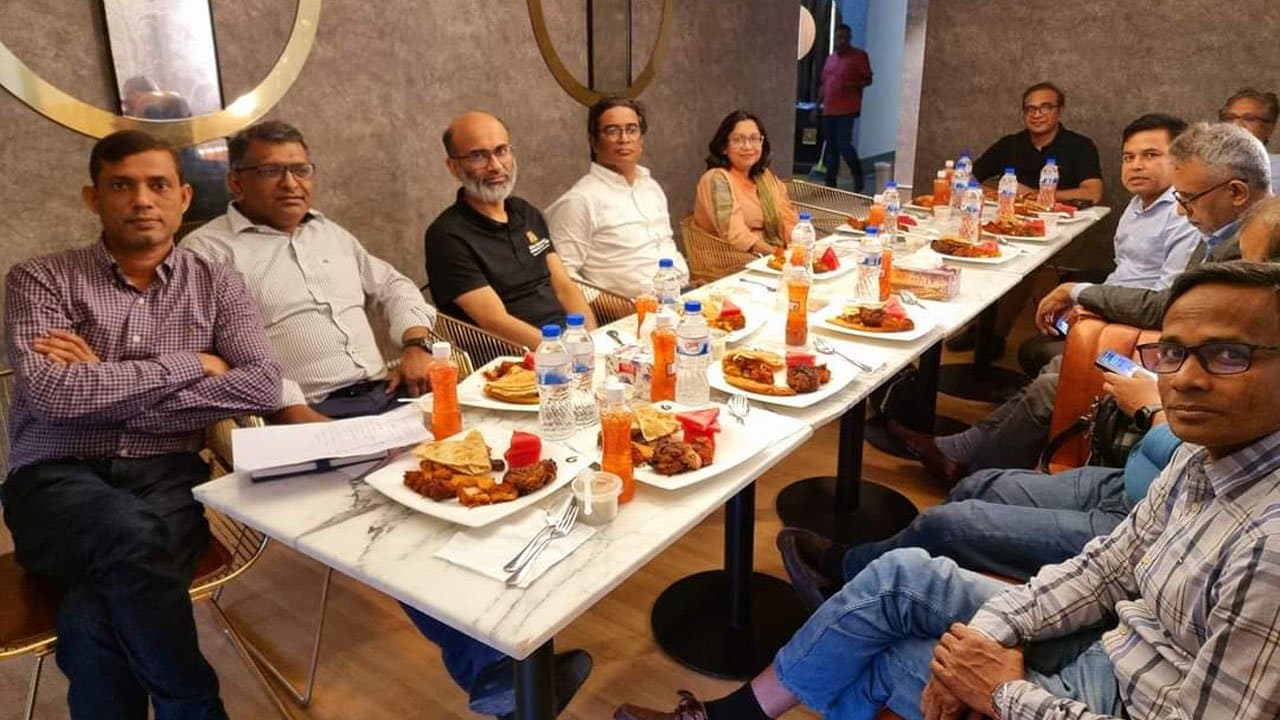
Community Awareness Programs
Educating communities across Bangladesh on the dangers of unmanaged e-waste and safe disposal practices.
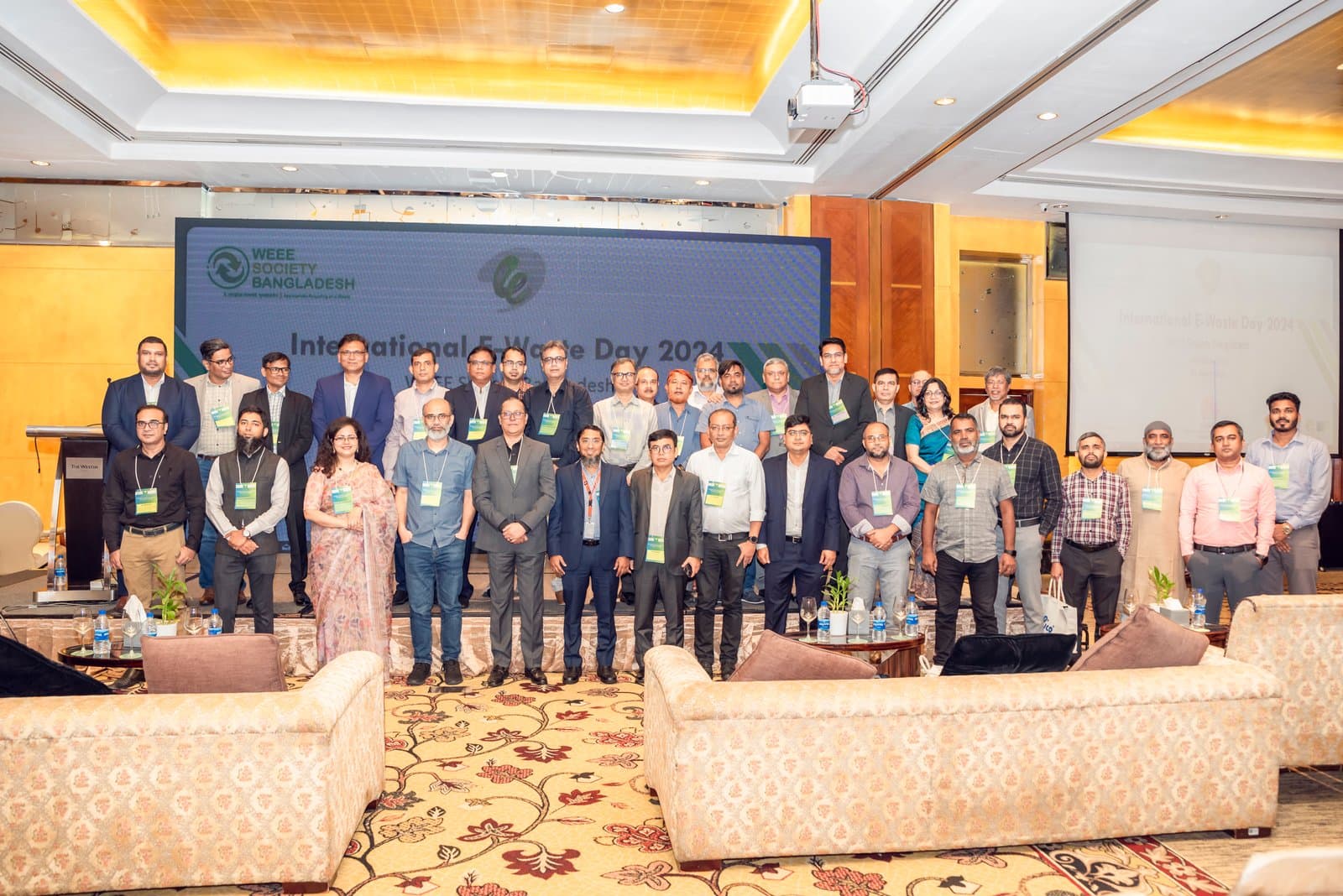
Who We Are
WEEE Society Bangladesh is a nonprofit organization committed to creating a sustainable future by ensuring responsible management of Waste Electrical and Electronic Equipment (WEEE). Founded with the mission to reduce the harmful effects of e-waste on human health and the environment, we work with government bodies, industry partners, and communities to build Bangladesh's formal e-waste management ecosystem.
- Registered nonprofit organization since 2019
- Partnered with government ministries and international bodies
- Operating across Dhaka and expanding nationwide
Ready to Make a Difference?
Join WEEE Society Bangladesh in building a cleaner, safer future for all Bangladeshis.